Kindred

Reducing Loneliness for the Ageing Population

Studio Soren undertook a pro-bono initiative to address the Agile Ageing brief based on insight from Age UK in 2016, a challenge focused on improving the quality of life and "mental agility" for the "third age".

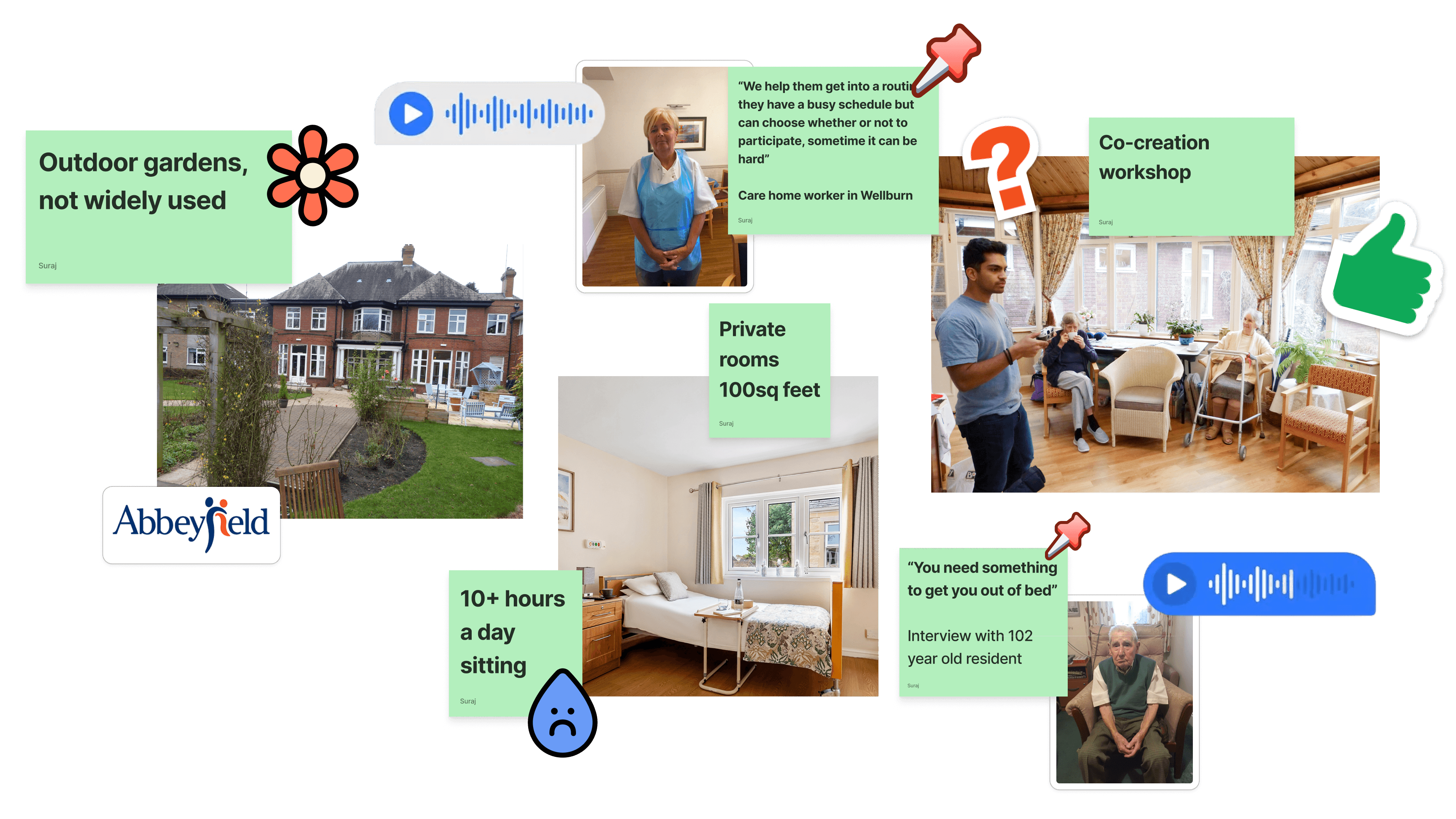
We focused our conceptual work on the North East of the UK, conducting deep ethnographic research at care facilities in Gateshead and Gosforth. The goal was to combat the "Indoor Isolation" crisis by finding new ways to maintain autonomy and motivation in an ageing population.
Insight

In 2016 we identified 1M residents will live with dementia due to loneliness by 2025

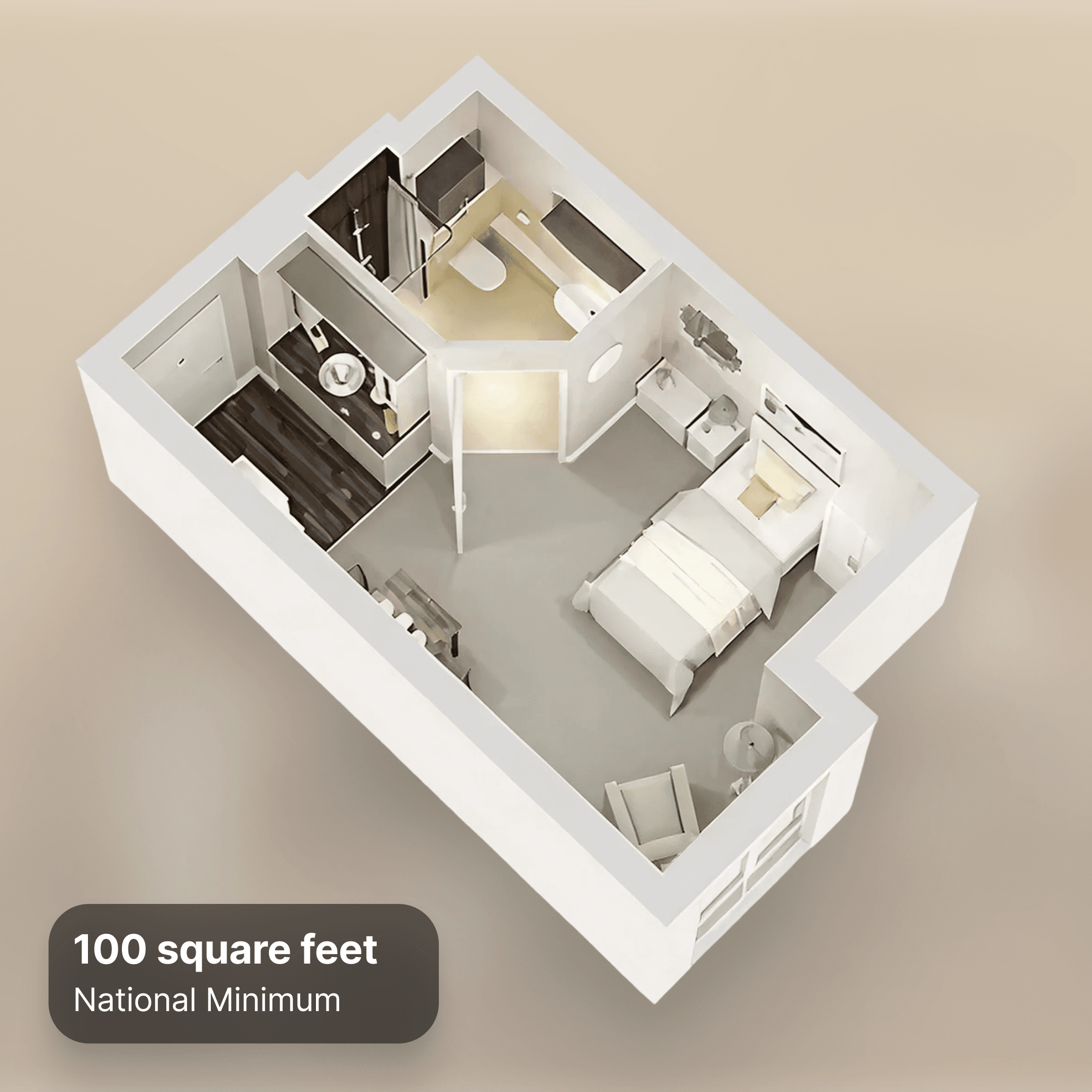
Our investigation revealed the highly restrictive nature of care environments, where rooms are often limited to a national minimum of 100 square feet, creating a safe but confined world for the resident.

While communal spaces exist, residents who lack mobility, such as those using zimmer frames or those who lack regular family visits are at high risk of total isolation. These residents are often rarely interacting with others and remain heavily "swayed by the weather" regarding any outdoor movement.

Our ethnographic research, which included interviewing a 102-year-old resident and various care staff, showed that 1/3 of people in care homes already live with dementia and spend 10 hours or more sitting each day. These insights presented a clear opportunity to integrate digital interactivity and nudge theory into daily routines.

By using connectivity to combat loneliness, we identified that 73% of seniors enjoy taking photos and 50% are already familiar with digital concepts like "selfies". This data shaped our transition to a digital-first approach, using constant connectivity and interactive prompts as the primary tools to maintain mental agility and social bonds.

Insight

In 2016 we identified 1M residents will live with dementia due to loneliness by 2025

Our investigation revealed the highly restrictive nature of care environments, where rooms are often limited to a national minimum of 100 square feet, creating a safe but confined world for the resident.

While communal spaces exist, residents who lack mobility, such as those using zimmer frames or those who lack regular family visits are at high risk of total isolation. These residents are often rarely interacting with others and remain heavily "swayed by the weather" regarding any outdoor movement.

Our ethnographic research, which included interviewing a 102-year-old resident and various care staff, showed that 1/3 of people in care homes already live with dementia and spend 10 hours or more sitting each day. These insights presented a clear opportunity to integrate digital interactivity and nudge theory into daily routines.

By using connectivity to combat loneliness, we identified that 73% of seniors enjoy taking photos and 50% are already familiar with digital concepts like "selfies". This data shaped our transition to a digital-first approach, using constant connectivity and interactive prompts as the primary tools to maintain mental agility and social bonds.

In-Life Concept Testing

Partnering with caregivers and residents to refine the experience

To bridge the gap between digital theory and care home reality, we partnered with Abbeyfield and Wellburn homes in Gosforth and Gateshead. By immersing ourselves in their daily routines, we moved beyond the studio to conduct workshops and test mock-up models directly with residents and staff.

These "boots-on-the-ground" sessions helped me develop Kindred's experience to focus on what truly mattered: relatable, simple products for busy carers and meaningful prompts that motivate residents to head outdoors.

"You’ve got to have something to get you out of bed."

Resident Interview, Care Home Visit

Result

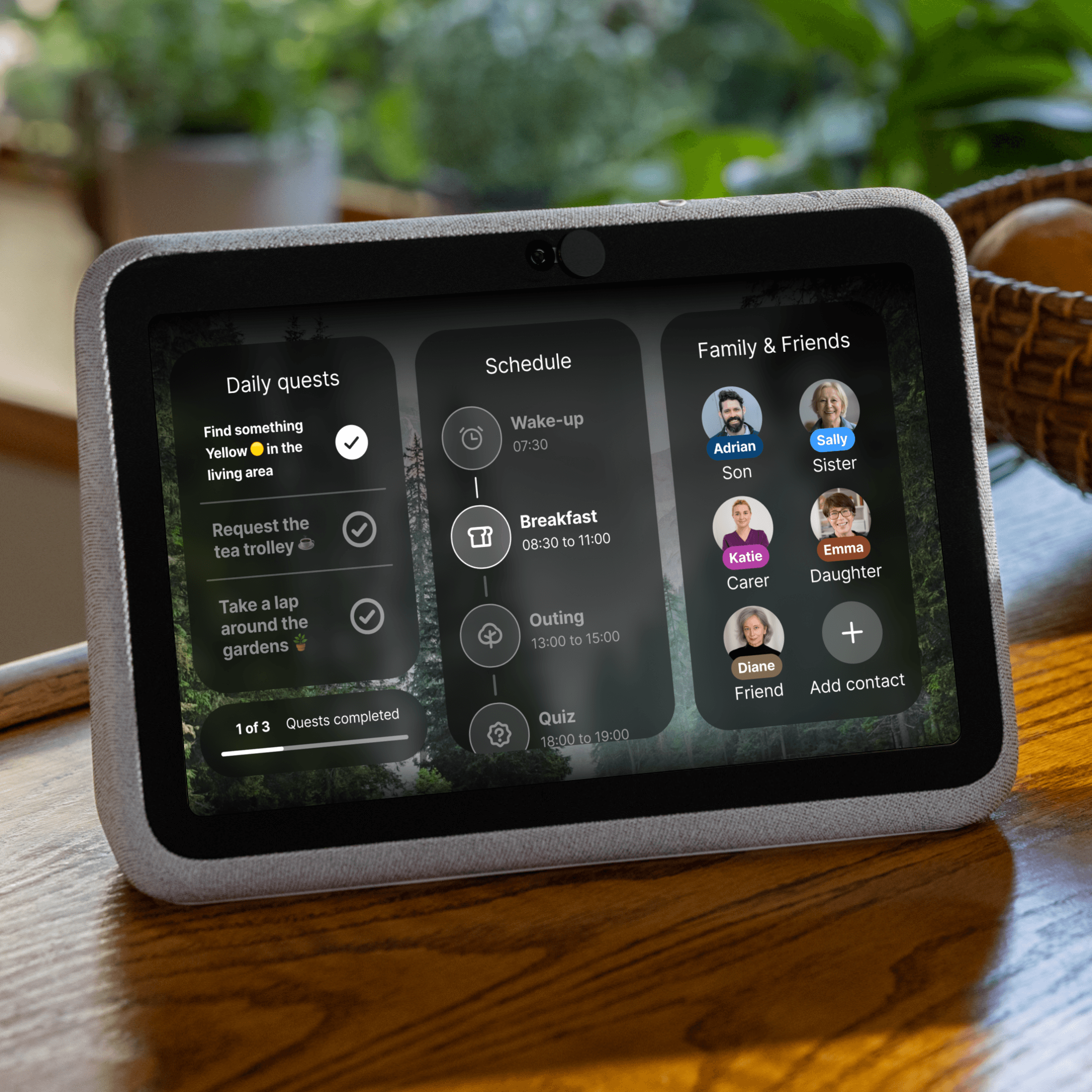
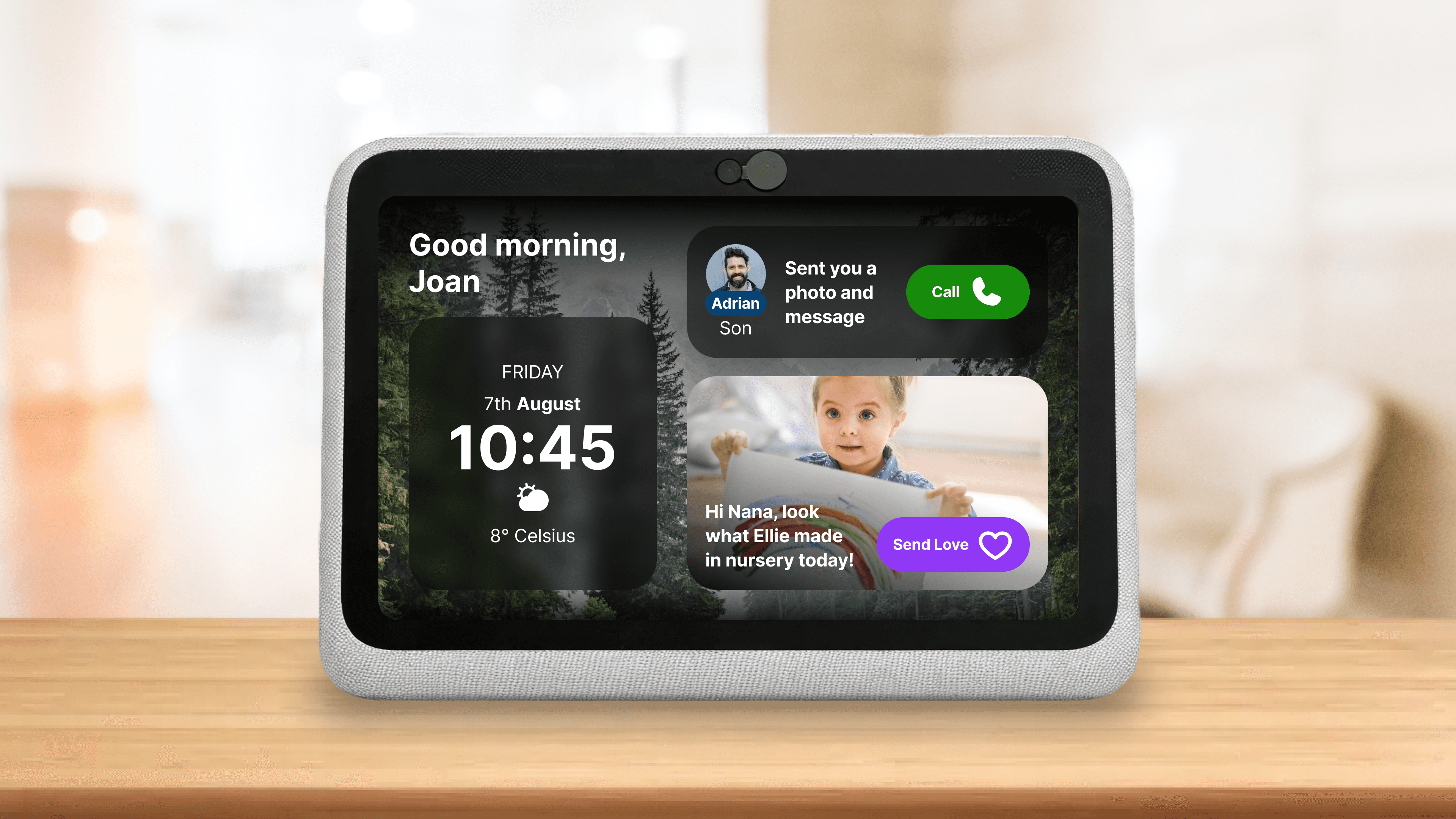
Kindred, a digital home hub to help care home residents stay connected & active

Result

Kindred, a digital home hub to help care home residents stay connected & active

Long term project goal is to help residents maintain the cognitive baseline

20% longer

Clinical studies on digital reminiscence show that structured evening interventions like Kindred can reduce agitation

30% decrease

Long term project goal is to help residents maintain the cognitive baseline

20% longer

Clinical studies on digital reminiscence show that structured evening interventions like Kindred can reduce agitation

30% decrease

Kindred is an inclusive digital concept that transforms research-led insights into a seamless interface for the elderly.

By evolving our original photographic scavenger hunt into a permanent digital hub, we provide a vital link between vulnerable residents and the outside world to maintain cognitive health.

The platform is designed to remove the technical barriers of traditional social media, focusing instead on high-impact "memory triggers" that combat the sedentary risks of indoor isolation.

Kindred is an inclusive digital concept that transforms research-led insights into a seamless interface for the elderly.

By evolving our original photographic scavenger hunt into a permanent digital hub, we provide a vital link between vulnerable residents and the outside world to maintain cognitive health.

The platform is designed to remove the technical barriers of traditional social media, focusing instead on high-impact "memory triggers" that combat the sedentary risks of indoor isolation.

Key Features:

Social Syncing & Memory Triggers

Families can instantly push photos and videos to a resident's hub, creating the visual stimulation proven to improve mental agility.

Integrated Care Calendar:

The device syncs with family schedules, allowing residents to see upcoming visits and request time with loved ones, directly addressing the "loneliness gap".

Digital Scavenger Hunts:

Building on our initial geocaching model, gamified "day trip" suggestions encourage residents to stay active by completing photography tasks in their local community.

Simplified Interface

A dedicated, accessible design built for users with limited technical experience or declining motor skills, featuring elements like "thumb markers" for easier interaction.

Key Features:

Social Syncing & Memory Triggers

Families can instantly push photos and videos to a resident's hub, creating the visual stimulation proven to improve mental agility.

Integrated Care Calendar:

The device syncs with family schedules, allowing residents to see upcoming visits and request time with loved ones, directly addressing the "loneliness gap".

Digital Scavenger Hunts:

Building on our initial geocaching model, gamified "day trip" suggestions encourage residents to stay active by completing photography tasks in their local community.

Simplified Interface

A dedicated, accessible design built for users with limited technical experience or declining motor skills, featuring elements like "thumb markers" for easier interaction.

View more

Onboarding render of the CareLink App

Shaped for people. Designed for impact.

2026 © all rights reserved.

Shaped for people. Designed for impact.

2026 © all rights reserved.

Shaped for people. Designed for impact.

2026 © all rights reserved.

Shaped for people. Designed for impact.

2026 © all rights reserved.